
Choosing the right Facebook ads strategy can mean the difference between wasted budget and real growth. Many brands struggle with whether to focus on visibility or interaction. Understanding Awareness vs Engagement Facebook Ads helps you pick the right objective, align with the funnel stage, and improve performance. This guide from NEMI Ads explains how each works, when to use them, and how to scale your Facebook Ads effectively.
1. Understanding Awareness vs Engagement Facebook Ads
These two Facebook ad objectives focus on different stages of the marketing funnel. The sections below explain how each objective works and what goals it is best suited for.
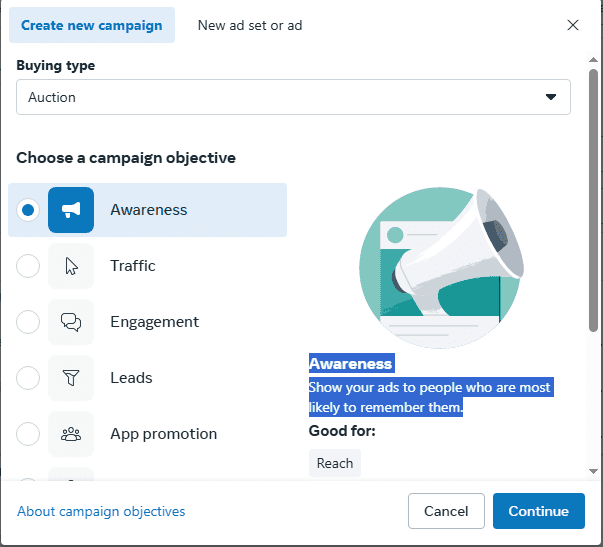
1.1. Awareness Facebook Ads
Awareness Facebook Ads are designed to introduce your brand to new people and build broad visibility. Instead of focusing on fast conversions, this stage helps you gather useful audience data.
You can use Awareness Ads to share your main message or guide users to educational content like videos or blog posts. At the ad set level, you can optimize for Impressions, Reach, or Ad Recall Lift to maximize exposure. While their goal isn’t interaction, visual formats such as photo albums and videos often attract more attention and help your brand stand out early.
1.2. Engagement Facebook Ads
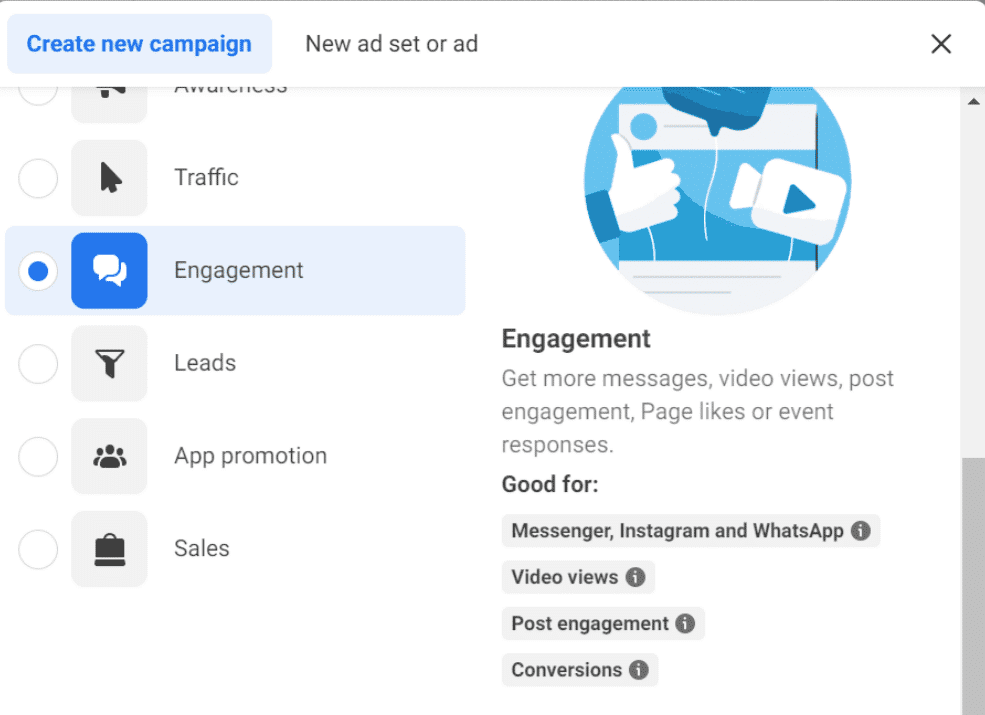
Engagement Facebook Ads focus on driving interactions such as likes, comments, shares, video views, and messages. Unlike Awareness Ads, which aim to increase reach, Engagement Ads connect with users more likely to engage with your content.
They are ideal for boosting post activity or encouraging direct communication. At the ad set level, you can optimize for actions like messages on Messenger, Instagram, or WhatsApp, as well as video views, event responses, conversions, and more. These options allow you to tailor your campaign to the specific interactions you want.
2. What’s the Difference Between Awareness vs Engagement Facebook Ads?
These two Facebook ad objectives serve distinct marketing goals and audience intents. While both aim to build audience connection, they differ in how users interact with ads, how performance is evaluated, and how campaigns are optimized.
The sections below explain each difference clearly and in context.
2.1. User Interaction
Awareness Facebook Ads are mainly about how people respond to the ad itself. These campaigns measure basic actions like how many times the ad was seen or clicked. Visits to your website are usually counted simply as “ad clicks,” and deeper actions like signing up for a newsletter or submitting a form are rarely tracked.
Engagement Facebook Ads focus on encouraging meaningful on-platform actions such as likes, comments, shares, video views, or link clicks. These interactions help brands build relationships, increase content visibility, and signal audience interest, rather than driving immediate sales or transactions.
2.2. Ad Formats
Different Facebook ad formats work better for different campaign goals.
For Awareness Facebook Ads, formats like video ads, image ads, and reach – optimized placements work best. These formats help brands appear frequently in users’ feeds and increase message recall. The main goal is visibility, not actions.
For Engagement Facebook Ads, formats are designed to encourage interaction. A common choice is carousel ads, which make it easier for users to like, comment, share, or react to content directly on Facebook.
Choosing the right ad format depends on whether your focus is on Awareness vs Engagement Facebook Ads.

2.3. Metrics & KPIs
For Awareness campaigns, KPIs focus on how widely the message is delivered. Common metrics include reach, impressions, ad recall lift, and frequency. These numbers show how many people see the ad and how often it appears.
In Engagement campaigns, KPIs focus on interaction-based metrics such as post engagement, reactions, comments, shares, video views, and cost per engagement. These indicators measure how actively users respond to your content, rather than business outcomes like sales or orders.
2.4. Ad Messaging
For ads aimed at Engagement, the message needs to be simple and direct. These ads explain what the product or service does, how it solves a problem, and showcase pricing or offers that encourage action.
In contrast, Awareness Facebook Ads use storytelling and emotions to shape how people view the brand. Instead of pushing for a quick response, the goal is to build recognition and a positive perception.
In short, messaging in Awareness vs Engagement Facebook Ads differs in focus: conversion – focused ads are clear and action – oriented, while Awareness Ads prioritize emotional connection.
2.5. Optimization Focus
In Awareness campaigns, understanding your audience and what resonates with them helps you shape ad messages that match their interests and improve recall. This makes your brand more memorable and relevant to the people you want to reach.
In Engagement campaigns, optimization focuses on testing creative elements. This includes ad copy, visuals, formats, and audience segments to improve interaction rates. Performance improves through ongoing adjustments, not one-time setup.
Understanding the differences between Awareness vs Engagement Facebook Ads helps optimize Facebook ads to achieve the right KPIs and maximize success.
3. When Should You Use Awareness vs Engagement Facebook Ads?
Choosing the right Facebook ad objective depends on your campaign goals and where your audience is in the funnel. Each objective serves a different purpose, from increasing visibility to encouraging interaction. Below are the best scenarios for using each option.
3.1. Optimal Scenarios for Awareness Facebook Ads
Awareness Facebook Ads are ideal when your goal is to increase brand visibility and help people remember your message. They work best for reaching a large audience, especially with brand or video content, and building familiarity
In the context of Awareness vs Engagement Facebook Ads, Awareness campaigns are suited for testing messaging, measuring memorability, and generating early interest in a product or service. Instead of driving immediate actions, they focus on reach, impressions, and brand lift.
3.2. Optimal Scenarios for Engagement Facebook Ads
Engagement Facebook Ads are ideal when you want users to interact with your content through likes, comments, shares, page follows, or event responses. These campaigns help increase visibility by generating additional organic reach beyond the paid audience.
Within Awareness vs Engagement Facebook Ads, Engagement objectives also allow you to build valuable Engagement audiences for future retargeting, making them effective for both short-term interaction and long-term campaign growth.
4. How to Choose the Right Campaign Objective
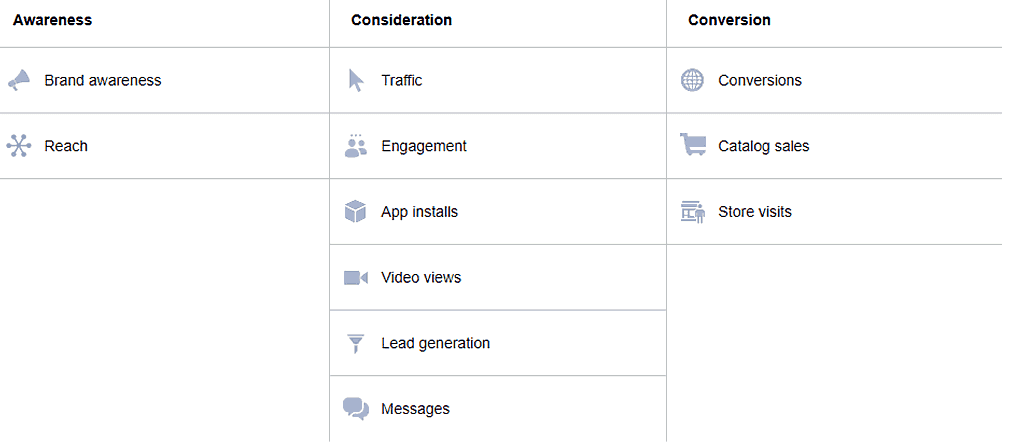
Choosing the right objective starts with clearly defining what you want your ads to achieve. In the context of Awareness vs Engagement Facebook Ads, each objective supports a different stage of the marketing funnel:
- Align with business goals: Use Awareness campaigns for brand building, broad reach, and video storytelling; use Engagement campaigns to drive likes, comments, shares, and audience interaction.
- Choose the right audience: Awareness works best with broad demographics and interests, while Engagement performs better with warm audiences such as past engagers or video viewers.
- Allocate budget by funnel stage: Invest around 20 – 30% in Awareness and 70 – 80% in Engagement.
- Combine objectives: Reach cold audiences with Awareness Ads, then retarget engaged users using carousel ads or boosted posts.
Using this structured approach helps ensure your campaign objective supports both brand visibility and meaningful audience interaction.
5. FAQs
5.1. Can Engagement ads work for completely new brands with no prior audience?
Yes, Engagement Ads can still be effective for new brands. While they perform best with existing or warm audiences, you can use Engagement objectives to encourage interactions from broader interest-based groups, helping build early social proof and expand your reach.
5.2. How do I know when to switch from Awareness to Engagement ads?
Switch from Awareness to Engagement when your brand has achieved initial visibility and you start seeing organic interactions or interest. If people begin reacting, commenting, or sharing your content, it’s a strong signal that you can focus more on driving deeper Engagement and community involvement.
5.3. Can a single ad campaign use both Awareness and Engagement goals at once?
A single ad set can’t use two objectives simultaneously, but you can run separate Awareness and Engagement campaigns together. This full – funnel strategy helps you first build broad exposure, then follow up with ads optimized for interaction, maximizing the impact of Awareness vs Engagement Facebook Ads.
There’s no one ‑ size ‑ fits ‑ all answer when it comes to Awareness vs Engagement Facebook Ads, success comes from choosing the right objective at the right time. If you need access to a reliable Facebook Ads account, NEMI Ads is here to help. Contact our team today to rent a verified advertising account that supports stable performance and compliant campaign setup.