
Facebook advertising is more diverse than many marketers expect. From simple image ads to interactive formats like carousel or collection, each option serves a different purpose in reaching and converting your audience. So, how many types of ads can you run on Facebook? In this guide, you’ll discover the most effective ad formats and types, and how to choose the right one to maximize your campaign performance.
1. Popular Facebook Ad Formats Explained
Different Facebook ad formats allow businesses to present content in various ways depending on their marketing goals. Some formats focus on simple visuals, while others offer interactive or immersive experiences to engage users more effectively.
1.1. Image Ads
Image ads are one of the simplest Facebook ad formats, using a single visual combined with short text and a call-to-action to deliver a clear message. Because they are quick to create and easy to manage, many advertisers start with this format when learning about different kinds of Facebook ads.
These ads work well across placements like Facebook Feed or Instagram and are effective for promoting products, services, or special offers. However, since they rely on only one image, they may be less suitable when you need to present multiple products or explain complex features.
Best practices for image ads:
- Use the correct aspect ratio to avoid cropped or distorted visuals.
- Choose high-quality images that stand out in the news feed.
- Keep the text short so the visual remains the focus.
1.2. Video Ads
Video ads use a short clip to introduce a product, highlight a service, or communicate a brand message through motion and sound. This format helps businesses present information in a more engaging way, allowing viewers to quickly understand features, benefits, or product usage.
However, producing video creatives usually requires more preparation and resources than other types of Facebook ads. If the marketing message is simple, some advertisers may choose alternative formats such as image or carousel creatives instead of video.
Best practices for video ads:
- Keep videos short (often around 5–15 seconds for awareness campaigns).
- Capture attention within the first few seconds to stop viewers from scrolling.
- Focus on one clear message to make the ad easy to understand
1.3. Carousel Ad
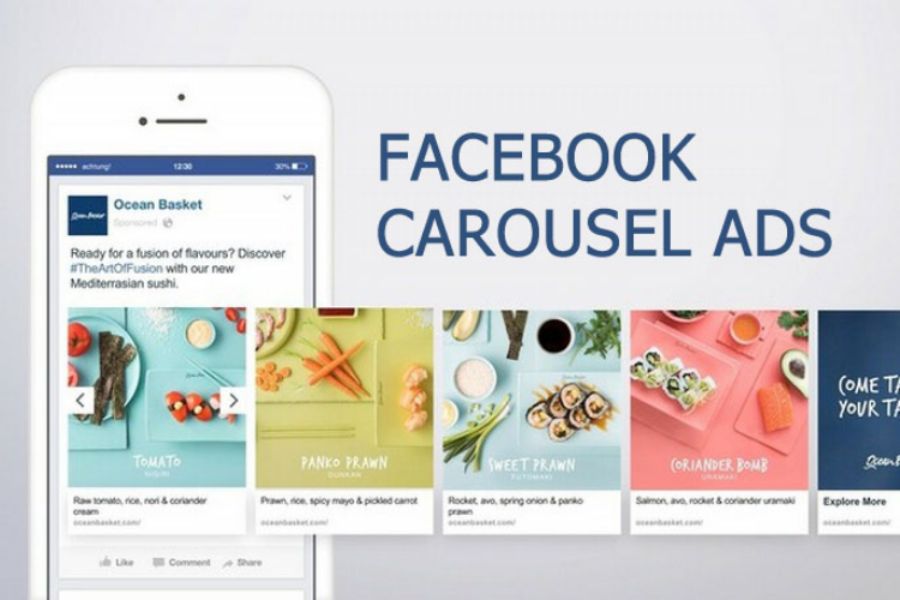
Carousel ads allow users to swipe through multiple visuals within a single advertisement. Each card can include an image or video along with its own headline, description, and link, giving advertisers more space to present product features or brand messages clearly. This interactive format helps businesses showcase several products or highlight different aspects of a service in one ad.
For businesses exploring different types of facebook ads, carousel ads provide a flexible way to deliver multiple messages in a single placement. Marketers often use them to display product collections, explain a process step by step, or highlight different benefits. Because each card can link to a separate landing page, this format also creates a more personalized and engaging browsing experience for viewers.
Best practices for carousel ads:
- Write distinct headlines, CTAs, and descriptions for every card to maintain clarity.
- Place the strongest image or video first to capture attention quickly.
- Link each card to a relevant landing page for a more tailored user journey.
1.4. Slideshow ads
Slideshow ads create a video-like experience by combining several images with simple motion effects. For advertisers researching how many types of Facebook ads exist, this format is often seen as a practical option because it helps present products or tell a short visual story without producing a full video.
Another advantage is that slideshow ads require fewer resources than traditional video ads while still delivering dynamic visuals. Because the files are lightweight, they load quickly and can reach audiences even on slower internet connections or basic devices.
Best practices for slideshow ads:
- Use 3 – 10 high – quality images to create a clear sequence.
- Keep the message simple and focused for quick understanding.
- Optimize visuals for mobile viewing and slower connections.
1.5. Messenger Ads
Messenger Ads help businesses reach users directly inside the Messenger app. These ads can appear in the inbox or open a chat when users click, allowing brands to start real conversations. This makes them useful for customer support, lead generation, and direct interaction.
This format focuses on communication instead of just sending traffic to a website. It works well when you want to guide users through a conversation and build trust quickly.
Best practices for Messenger Ads:
- Use clear and friendly messaging to encourage users to start a conversation
- Target audiences who have shown interest or interacted with your business before
- Keep the conversation flow simple to guide users toward a specific action
1.6. Collection Ads
Collection ads create a mobile shopping experience that lets users explore multiple products within one advertisement. The format usually includes a main image or video with several product images underneath, giving viewers a quick overview of a brand’s catalog. When users tap the ad, it opens a full-screen browsing page inside the app where they can explore items easily.
This format works like a mini storefront, making it useful for online retailers that want to showcase several products in a single ad and encourage product discovery. It is most effective for businesses with a larger catalog, while brands with only a few products may prefer simpler formats.
Best practices for collection ads:
- Let the platform automatically select relevant products from your catalog.
- Include a diverse product catalog to match different audiences.
- Use a strong cover image or video to encourage users to tap and explore.
1.7. Playable Ads
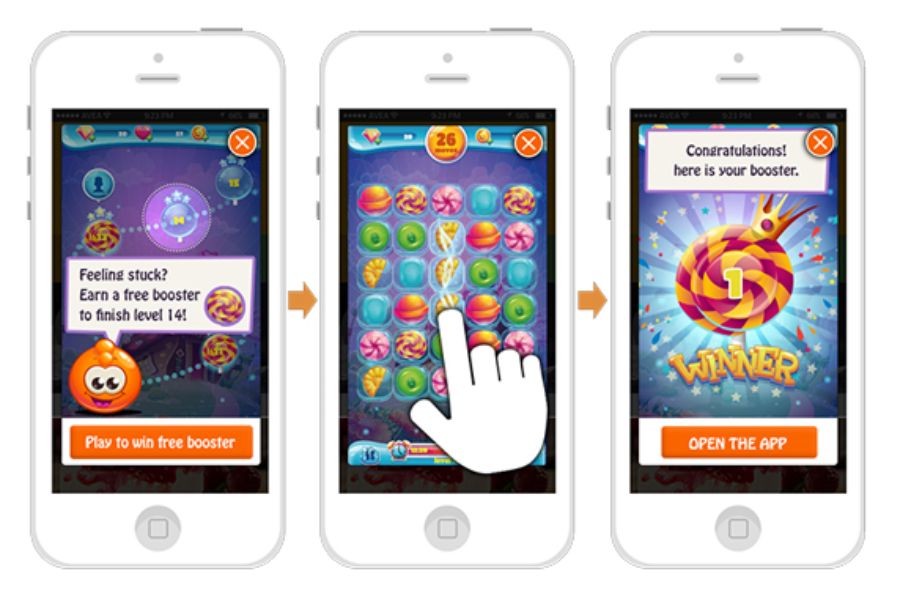
Playable ads are interactive formats that let users try a product or app directly inside the ad. Instead of just watching content, people can tap, swipe, or play a short demo before taking action. This “try-before-you-download” approach helps users understand the product quickly and creates a more engaging experience.
This format is commonly used for mobile apps and games, where users can test features in a short preview. Because of its interactive nature, playable ads often drive higher engagement and better conversion rates compared to standard formats.
Best practices for playable ads:
- Keep the demo simple and easy to understand within a few seconds
- Focus on one key feature to highlight the product clearly
- Add a strong call-to-action to guide users after interaction
2. Common Facebook Ad Types Based on Campaign Goals
Facebook offers various ad types tailored to different campaign goals, from increasing page likes to driving conversions.
Here are the most common options you can use.
2.1. Engagement
Engagement ads are designed to increase interactions such as likes, comments, shares, or follows on your Facebook content. These ads usually appear in the news feed and include a visual, short description, and a clear “Like Page” or “Follow” call-to-action.
This format focuses on building a larger audience and strengthening brand credibility rather than driving immediate sales. As the number of followers grows, brands can reach more people with their future posts and improve long-term engagement with their community.
2.2. Boosted posts
Boosted Posts are a simple promotion option that allows businesses to increase the reach of an existing Facebook post. By clicking the “Boost Post” button, a normal page update can be promoted to a wider audience beyond current followers and appear in users’ feeds as a sponsored post.
Many marketers use this format to amplify posts that already perform well, such as announcements, product highlights, or event updates. Compared with full Facebook ad campaigns, boosted posts require fewer setup steps but offer more limited targeting and campaign control.
2.3. Traffic
Traffic campaigns are designed to send users from Facebook to an external destination such as a landing page, blog, or product page. This campaign type focuses on increasing clicks and driving traffic, helping businesses attract more potential customers to their website.
For marketers exploring how many types of ads can you run on Facebook, this option is often used at the awareness stage to bring new audiences to learn more about a product or service. Instead of focusing on immediate conversions, it aims to generate interest and build traffic through relevant targeting and placements.
2.4. Website Purchases Ads
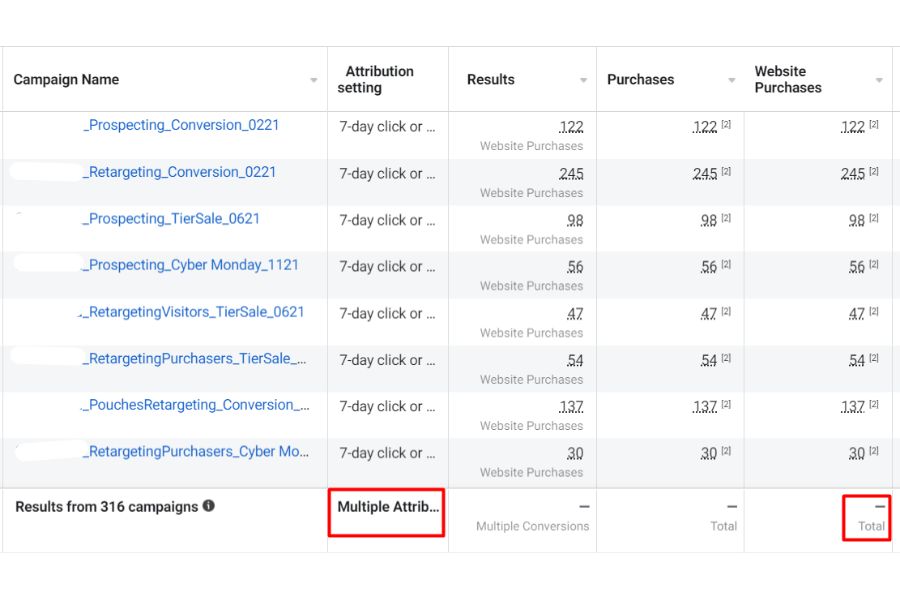
Website purchase campaigns are designed to drive sales or conversions by targeting users who have already interacted with your website. This approach leverages data from the Meta Pixel to track key actions such as product views, add-to-cart events, or completed purchases, helping advertisers reach users with high buying intent.
This campaign type is commonly used for retargeting, where ads are delivered based on previous user behavior. By relying on real conversion data instead of broad targeting, advertisers can focus on audiences more likely to complete a purchase and generate measurable results.
2.5. Automated Ads
Automated ads are designed to simplify campaign setup by using AI to manage key elements such as targeting, placements, and budget. Instead of manually adjusting every detail, advertisers provide core inputs like objectives and basic audience signals, while the system handles optimization and delivery.
This approach helps improve performance by allowing Meta’s algorithm to automatically find the most effective combinations. At the same time, automated campaigns reduce setup time and simplify management, making them ideal for advertisers who want to scale results quickly without relying on complex manual control.
2.6. Event Ads
Event ads are designed to promote a specific Facebook event and increase visibility among a targeted audience. This format helps businesses attract more attendees by showing event details directly in the ad, encouraging users to respond or learn more. According to Meta, event ads are commonly used to boost awareness and drive more RSVPs or ticket actions.
2.7. Lead Ads
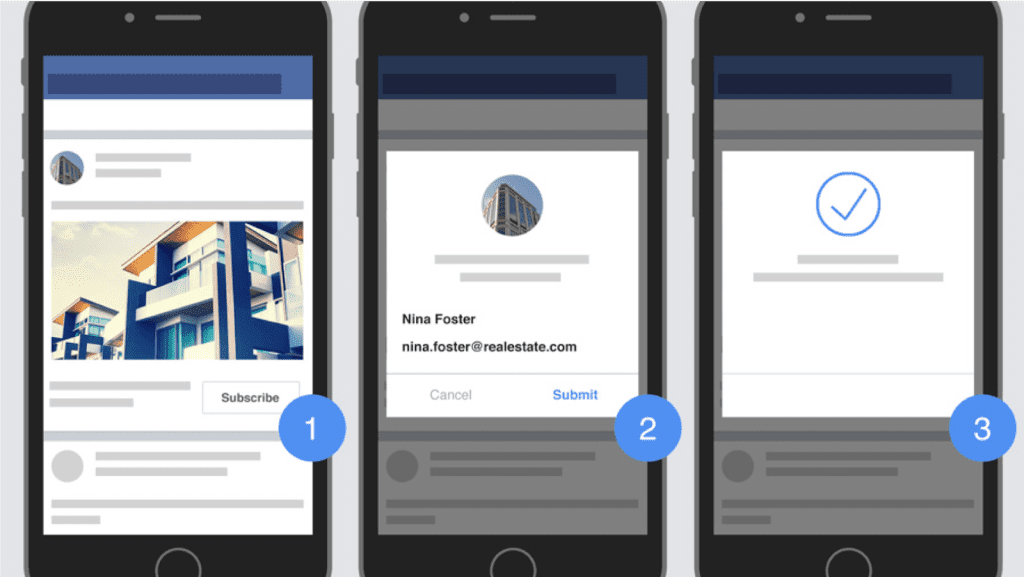
Lead ads are designed to collect user information directly within Facebook using an instant form. When users click on the ad, a form opens inside the platform, allowing them to submit details such as name, email, or phone number without leaving the app. This streamlined process helps reduce friction and makes it easier for businesses to gather potential customer data.
3. How to Choose the Best Facebook Ad Type for Your Campaign
Selecting the right ad type depends on your goals, audience, and how you use available tools.
Here are the key factors to guide your decision.
3.1. Identify Your Main Advertising Goal
Before choosing any ad type, you need to clearly define your campaign objective. Instead of focusing only on formats, you should understand what each ad type is designed to achieve, such as Automated Ads (simplify setup and optimize performance automatically), Event Ads (promote events and increase attendance), and Lead Ads (collect customer information through forms).
Selecting the right direction helps the system deliver your ads to users who are more likely to take action. This ensures better performance, more efficient budget use, and a strategy aligned with your business goals.
3.2. Understand Your Audience
Understanding how your audience uses Facebook will guide your ad format choice. Most users access the platform on mobile, so vertical formats and mobile-friendly creatives often perform better. In addition, many people consume video quickly and without sound, so your content should be clear even without audio.
Audience behavior also varies by age and preference. Younger users tend to engage more with interactive formats, while older groups often respond better to simple visuals. Aligning your ad format with how users browse and interact helps improve engagement and overall campaign performance.
3.3. Use Ads Manager Effectively
Facebook Ads Manager provides built-in tools to help you choose the right ad format. You can use Audience Insights to understand user behavior, interests, and demographics, which supports better targeting decisions. In addition, features like split testing allow you to compare different formats and identify which one performs best with your audience.
Reviewing performance insights and recommendations enables you to optimize campaigns effectively and select the most suitable types of Facebook ads for your goals.
3.4. Test and Optimize Ads
Do not rely on a single format from the start. Instead, test a few options with a small budget to see which performs best for your campaign goals. Running multiple variations helps you understand what works based on real user behavior rather than assumptions.
Focus on key metrics such as click-through rate, conversion rate, and cost per result to evaluate performance. Once you identify the most effective option, increase the budget for that format while continuing to refine and improve your strategy over time.
4. FAQs
4.1. How Many Types of Ads Can You Run on Facebook in Ads Manager?
In Ads Manager, there is no fixed number of ad types because you can combine multiple types and objectives. Facebook provides several core types like lead ads, event ads, boosted posts and more, which can be adapted into many variations depending on your campaign goal.
4.2. What Is the Most Effective Facebook Ad Format?
There is no single “best” ad type for all campaigns. The most effective format depends on your objective, audience, and content. For example, video ads often perform well for engagement, while carousel or collection ads are better for showcasing multiple products.
4.3. Can You Run Multiple Facebook Ad Types in One Campaign
Yes, you can run different kinds of Facebook ads within the same campaign. Ads Manager allows you to test different types under one campaign or ad set to compare performance.
This approach helps you identify which format works best, optimize your budget, and improve overall campaign effectiveness through data-driven decisions.
Understanding how many types of ads can you run on Facebook helps you build a more effective advertising strategy instead of guessing what works. Instead of relying on a single approach, the key is to test, optimize, and align formats with your objectives. If you want to scale campaigns effectively and avoid costly mistakes, explore expert support with NEMI ADS to build high – performing Facebook advertising strategies today.