
Understanding what CPC in Facebook Ads is gives you stronger control over your budget, clearer insights into ad efficiency through various Facebook Ads analytics tools, and better direction for optimization. This guide breaks down what CPC means, how it works, how to calculate it, and the most effective strategies to reduce your CPC in 2026.
1. What is CPC in Facebook Ads?
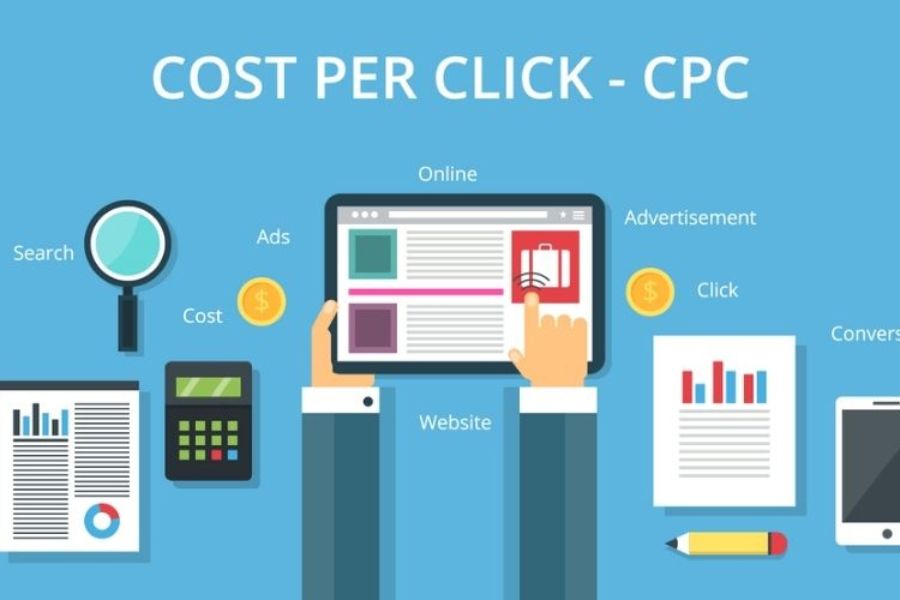
When someone asks what is CPC in Facebook Ads, they want to understand how much money an advertiser pays each time a user clicks on an ad. CPC means Cost per Click, and it shows the exact cost for every single interaction. A low CPC is usually a good sign, but it only works well when those clicks lead to real results. If people click but never buy or take action, then a low price does not help your campaign.
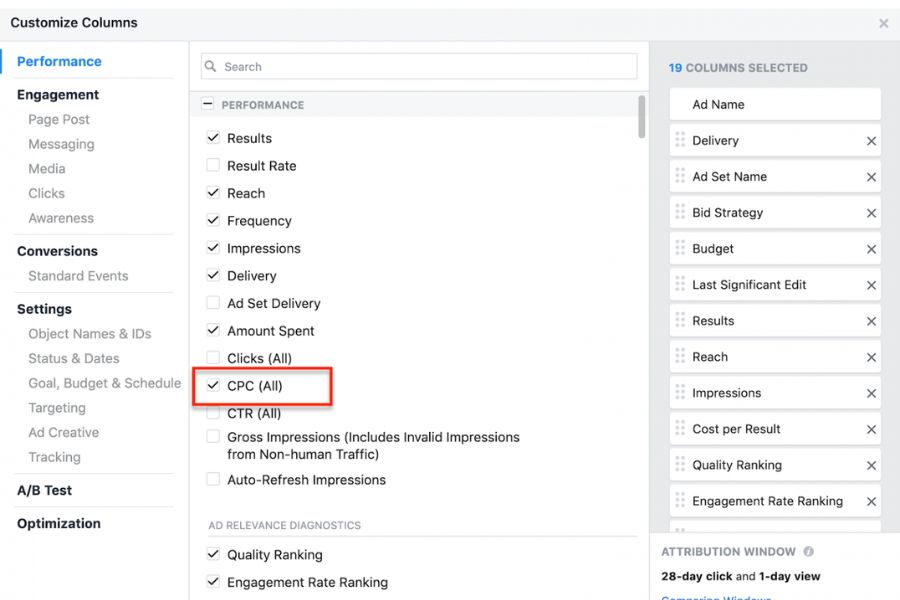
Knowing what is CPC Facebook ads makes it easier to see where your budget is going. It also helps advertisers adjust their strategy and reach people who are more likely to care about what they offer. Facebook supports very specific targeting, so you can show your ads to users based on age, gender, or location. This improves the chance of getting clicks from people with real interest.
You only pay when someone actually clicks on your ad, which makes this model simple for beginners to understand. The number of clicks you receive depends on how much you spend each day, similar to how you balance the cost of boosting a post on Facebook and how competitive your market is. When learning what is cpc in facebook ads, many advertisers also explore the cpc ideal facebook ads range to keep their spending efficient and their campaigns performing well.
2. How to Calculate Cost per Result on Facebook CPC
To find the cost per result on Facebook, divide the total spend by the number of clicks. This gives the simple CPC. Use this to track how much each click costs for a campaign. If you want clarity, the basic formula is:
CPC = Total ad spend / Number of clicks
Total ad spend means all money spent on that Facebook campaign in the chosen time frame. Number of clicks means every time a user pressed the ad link or call-to-action.
For example, if your campaign spent $200 and it got 100 clicks, then CPC = $200 / 100 = $2. You pay two dollars each time someone clicks.
A deeper view looks at auction and relevance factors. Platforms may weigh ad relevance, landing page fit, and engagement rates. A rough model that advertisers watch looks like this:
Estimated CPC ≈ (Ad relevance score × Landing page quality × Click rate) ÷ Ad rank
Here, ad relevance score is the platform’s rating of how well your creative matches the audience. Landing page quality is how helpful the landing page is for visitors. Click rate is the share of viewers who click. Ad rank is your spot vs. rivals.
3. Advantages and Disadvantages of CPC
Understanding what is CPC in Facebook Ads helps advertisers decide if this pricing model suits their goals. Below is a simple look at its strengths and limits, based on real campaign needs.
3.1. Advantages
CPC offers strong control over ad spend because you only pay when someone clicks. This makes it easier to use the budget in a smart way, especially when reaching people who may be interested in your offer. It also focuses on key performance signals like CTR and relevance, making it easier to track how each ad performs.
A major strength is its ability to reach the right audience. Facebook allows targeting by interest, age, location, and more. This helps your ads appear to users who show real intent.
Some notable advantages include:
- Flexible budget settings that allow quick changes to daily limits.
- Bid control that helps advertisers aim for a cpc ideal facebook ads range.
- Clear data that supports fast optimization.
3.2. Disadvantages
Even with strong benefits, CPC still has drawbacks that matter for anyone researching what is cpc in facebook ads. In competitive markets, the cost per click may rise fast, which puts pressure on the budget. Invalid or fake clicks may also increase spend without real value.
CPC requires constant monitoring. Advertisers need to adjust keywords, fix ad text, and improve landing pages often. This takes time and skill. Another concern is that clicks alone do not guarantee sales. If the page is weak or the offer is not appealing, the traffic will not convert.
Key challenges include:
- Rising cost in crowded industries.
- Results can shift when ad platforms update their algorithms.
4. Difference Between CPC, CPM, and CPA
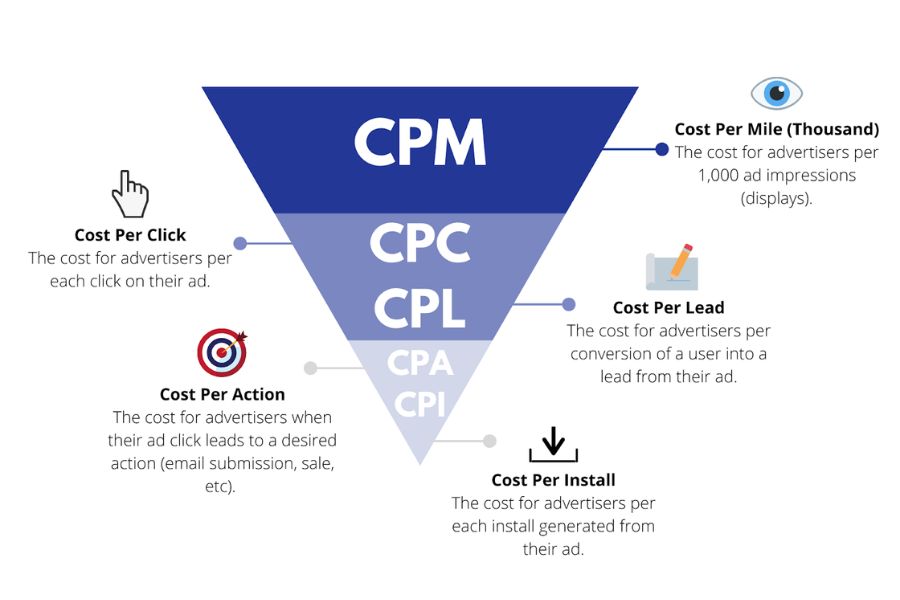
Before we compare, know these three ad pricing types: CPC, CPM and CPA. Each charges in a different way and fits a different goal.
CPM (Cost Per Mille) – cost for every 1,000 times an ad shows. The advertiser pays regardless of clicks. Use this to grow brand awareness and widen reach.
CPA (Cost Per Action) – cost when a user completes a specific action after clicking. Actions include purchases, sign-ups, calls, messages, or form submissions. Advertisers pay only for results.
Below is a simple chart to show how they differ. It also links each model to common campaign aims and shows which tasks they suit best.
| Model | How it charges | Main goal | Best for |
| CPC | Pay per click | Drive visits | Boost traffic, test new offers |
| CPM | Pay per 1,000 impressions | Build awareness | Brand campaigns and wide reach. |
| CPA | Pay per conversion | Increase conversions | E-commerce and lead capture. Useful when tracking real results. |
If you want clear answers on what is cpc facebook ads, focus on clicks and landing page quality. For a balanced plan, set bids toward a cpc ideal facebook ads target and watch conversion data.
5. How to Reduce CPC Costs in Facebook ads
Lowering your CPC starts with strong targeting, better ad quality, and clear bidding control.
5.1. Prioritize Accurate Targeting Over Broad Reach
Reaching the right users helps reduce wasted clicks and improves engagement signals. This gives Facebook a clear message that your ad is relevant, which can lower CPC.
- Narrow your audience to people who show interest in your products.
- Use Custom Audiences for past visitors or engaged users.
- Apply Lookalike Audiences to reach new people similar to past converters.
5.2. Increase Your Ad Quality Score
Meta rewards ads that gain positive interactions. Higher quality scores help drop CPC and improve visibility.
- Test new visuals and messages to find what works.
- Write simple, direct copy that solves user problems.
- Use strong CTAs to guide clicks.
- Watch for negative reactions and adjust your targeting when needed.
5.3. Optimize Where Your Ads Appear
Some placements bring cheaper clicks, so placement testing is key.
- Start with automatic placements to collect data.
- Move budget toward placements that bring the lowest CPC.
- Try Instagram Stories or Messenger placements, which often cost less and still drive engagement.
5.4. Use Strong Creatives That Grab Attention
Users scroll fast, so eye-catching creatives are essential for holding attention and reducing CPC.
- Use bold, clear visuals or short videos.
- Keep video ads under 15 seconds.
- Write short, benefit-driven headlines.
- Test different formats like carousel, video, and single-image ads, or use dynamic Facebook Ads to personalize content.
5.5. Adjust Your Bidding Method Wisely
Your bidding method affects how much you pay per click.
- Use Cost Cap or Bid Cap to set clear limits.
- Compare Lowest Cost and Target Cost to see which fits your goals.
- Review bids often to avoid overspending.
6. FAQ About CPC in facebook ads
This section answers common questions from advertisers trying to understand what is cpc in facebook ads and how it affects campaign results.
6.1. What is a good CPC on Facebook ads?
There is no single number that fits all industries. Each niche has different levels of competition, intent, and bidding pressure. A “good” CPC depends on your objective, audience quality, and offer strength. You can check industry averages to see where your numbers stand, but your best benchmark is your own performance trend.
6.2. Are CPC and PPC the same?
They are related but not identical. PPC is a broader term that describes any model where you pay when users click an ad. CPC is the actual cost you pay for each click within that model. In short, PPC is the strategy, while CPC is the price linked to that click.
6.3. Should I choose CPC or CPM?
Your choice depends on what you want to achieve.
- Pick CPC when your goal is traffic or conversions, since you only pay for clicks.
- Pick CPM when brand reach is the priority and you want as many impressions as possible.
Both metrics work together, and poor CPM performance can also increase CPC due to weak engagement signals.
6.4. Can I use CPC for any industry?
Yes, CPC is available across nearly all sectors. But costs vary, and high-competition industries often face higher CPCs. Even so, CPC remains a flexible model that fits most performance-driven campaigns.
Mastering what is CPC in Facebook Ads helps advertisers optimize spending, improve traffic quality, and make smarter bidding decisions. Once you understand how CPC is calculated, what influences it, and how to reduce it, improving campaign results becomes much more predictable. If you want a safer, more stable setup for your ad campaigns, especially to avoid sudden account restrictions or payment issues, consider using NEMI Ads’ trusted ad account rental service, designed to help you launch campaigns faster and achieve more efficient CPC performance.