

Boost your social selling by exploring real-world examples of Facebook Shops. Discover actionable strategies, draw inspiration from successful case studies, and learn how to create a shop that genuinely engages your audience. With NEMI Ads, start enhancing your brand today and turn your Facebook presence into a powerful revenue-driving engine!
1. What Are Facebook Shops?
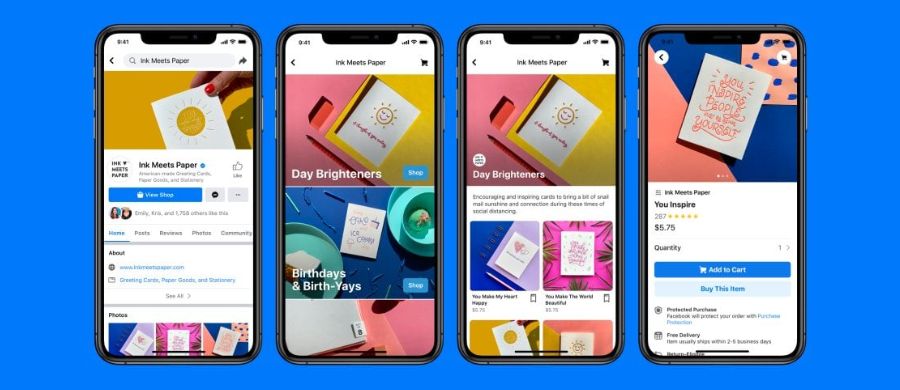
Facebook Shops are online stores on Facebook and Instagram, letting customers browse and buy products directly from your business profile for a seamless shopping experience.
With Facebook Shops, brands can:
- Create a seamless, native shopping experience accessible on Facebook, Instagram, WhatsApp, and Messenger.
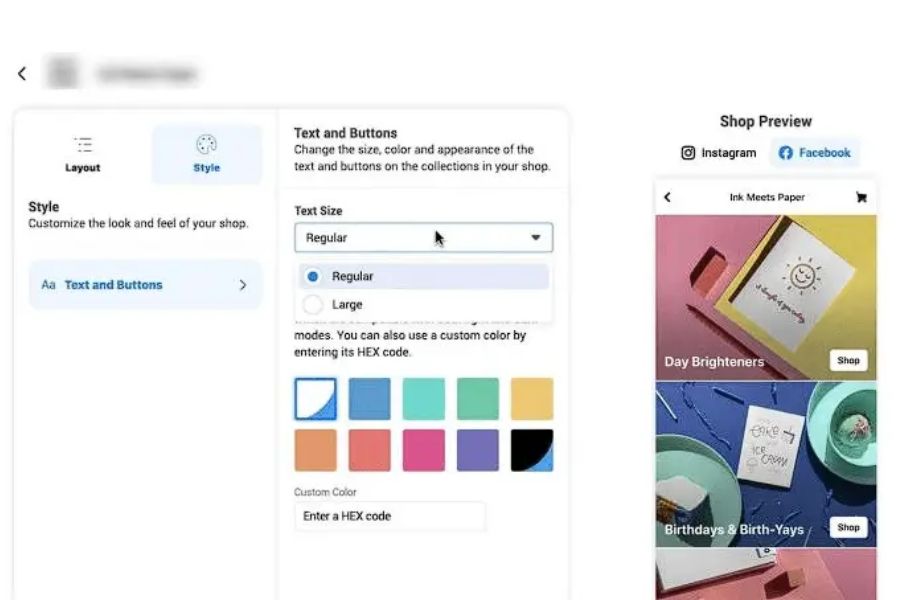
- Customize visual elements, including colors, fonts, and layouts, to reflect their brand identity.
- Manage all listings from a single platform, simplifying updates and inventory control.
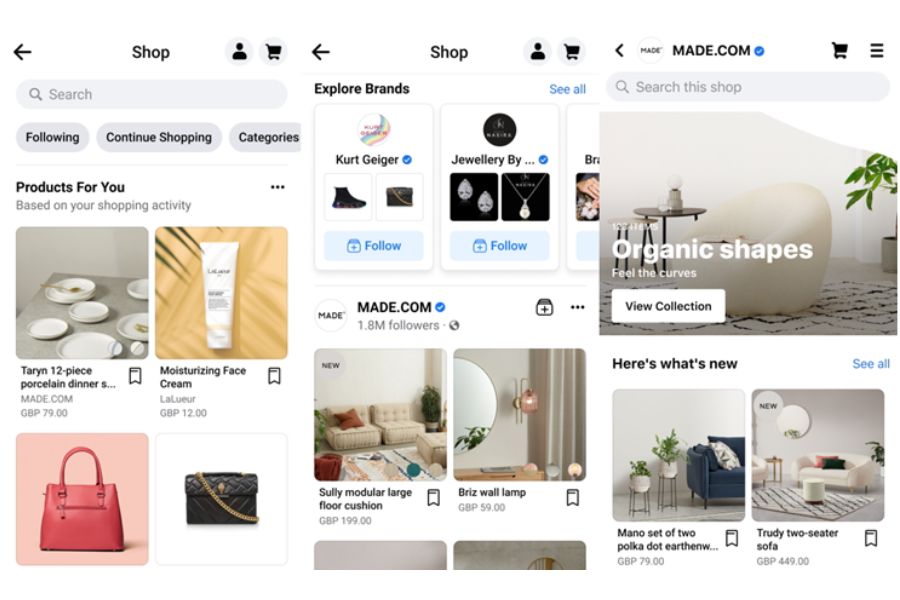
Compared to the older Facebook Page shops, the new Shops are more flexible and integrated. They eliminate the need for a separate “shop” tab and allow automatic replication across Instagram and messaging apps.
Overall, examples of Facebook Shops implementations show how brands can efficiently increase visibility, enhance customer interaction, and drive sales, especially when businesses clearly distinguish what is the difference between Facebook Shop and Marketplace to optimize their sales funnel.
2. Why Brands Use Facebook Shops
Brands choose Facebook Shops because they offer strong reach, simple buying paths, and smooth connections with existing e-commerce tools. These advantages are clear across many examples of Facebook Shops, showing how businesses use the feature to boost discovery and sales.
2.1. Reach and Visibility
Facebook Shops help brands appear in more customer touchpoints across Facebook and Instagram. Users can find products through feeds, search, or stories, making items easier to explore without leaving the app. This broad exposure supports consistent traffic and helps small and large retailers stay visible in competitive markets.
2.2. Lower Friction & Mobile-First Experience
Shoppers can browse, ask questions, and complete purchases in one place. Saved payment details make checkout faster after the first order. Customers can also switch between Facebook and Instagram and continue where they left off, reducing drop-offs and improving completion rates.
2.3. Integration with Existing E-commerce Platforms
Brands using platforms such as Shopify can sync product data, stock levels, and pricing with their Shop. This avoids manual updates and keeps listings accurate across all channels. It also helps maintain a unified catalog, which is a core benefit seen in many examples of Facebook Shops using connected systems.
3. Top 15 Best Examples of Facebook Shops
These real-world examples highlight how different brands use Facebook Shops to showcase products and create seamless shopping experiences. Explore how businesses in fashion, home & living, and pet care leverage this feature to connect with customers and drive sales.
3.1. Examples of Facebook Shops in Home & Living
Home & living brands succeed on Facebook Shops by creating clean, organized storefronts that make it easy for shoppers to explore products and visualize them in their own homes. Below are examples showing how major brands optimize layout, product categories, visuals, and the overall buying experience.
Robinsons Appliances – Clear, need-based product categories
Robinsons Appliances organizes its Facebook Shop into practical categories such as Cooling, Laundry, Kitchen, and Entertainment.
What they do well:
- The logical categorization feels natural for shoppers seeking a specific item.
- Clear, white-background product shots make each item feel trustworthy and easy to compare.
- Prices and CTAs are immediately visible, reducing friction for customers who are ready to buy or inquire.

House & Home – Neutral, cohesive visual branding
House & Home leans heavily into warm, neutral-toned lifestyle photos to showcase its products in real home settings.
What stands out:
- Consistent color themes help build a refined, cohesive brand identity.
- Organizing items by room (Living Room, Bedroom, Kitchen) encourages customers to browse by their renovation needs.
- Short, informative descriptions – including size and materials – help shoppers feel more confident in their choices.
Anson’s – Feature-focused product imagery
Anson’s takes a practical approach by showing key product features right on the images, such as Energy Saving, Smart Control, and 2-Year Warranty.
Why customers respond well:
- Important product details can be understood instantly, even while scrolling.
- Bright, mobile-friendly visuals make the shop easy to browse on small screens.
- An “Installment Plans” section helps reduce purchase hesitation for high-value appliances.
Bradlows – Curated Collections for full-room inspiration
Instead of listing products individually, Bradlows uses Facebook’s Collections feature to showcase complete looks – such as Bedroom Suites, Sofa Sets, and Dining Room Bundles.
Why it works:
- Shoppers can visualize how items complement each other, increasing the likelihood of multi-item purchases.
- Warm-toned photos and styled rooms create a sense of aspiration and comfort.
- Integrated customer reviews strengthen trust and reduce doubts.

OK Furniture – Mobile-optimized, full-frame product shots
OK Furniture uses full-frame, square product photos that stand out on the feed.
Strengths:
- Minimalist images that emphasize dimensions and functionality.
- Categories highlight best-sellers and limited-time deals to drive conversions.
- Persistent “Chat with Us” CTA ensures immediate customer support.
3.2. Examples of Facebook Shops in Pet Products
Pet brands thrive on Facebook Shops by blending playful visuals, clear product categorization, and emotionally driven storytelling. Because pet owners love discovering new treats, toys, and essentials while scrolling, brands that create fun, intuitive shop layouts often see stronger engagement and conversions. Here’s how top pet retailers use Facebook Shops to connect with their communities.
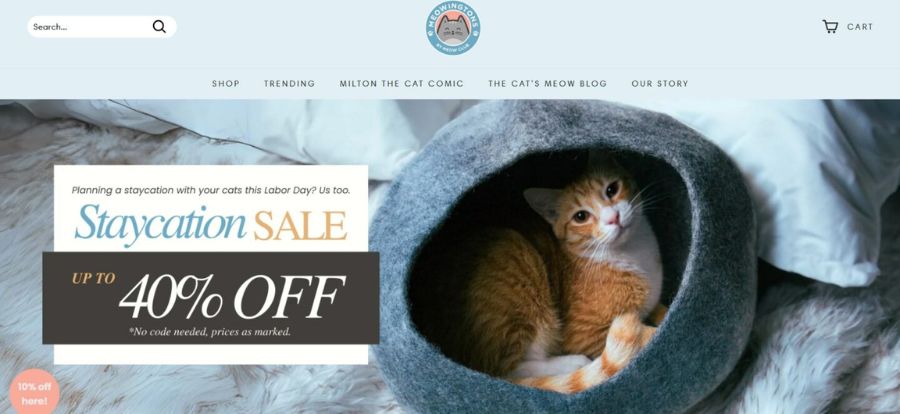
Meowingtons – Strong visual identity built around cat lovers
Meowingtons uses bold, personality-driven imagery that instantly appeals to cat owners.
What makes their shop effective:
- Collections like Beds, Toys, Apparel, and Accessories help shoppers browse by need.
- Vibrant, lifestyle-centered photos show cats actually using the products—boosting trust.
- Playful copywriting (“for the spoiled kitty in your life”) adds emotional charm and strengthens brand loyalty.
Meowingtons succeeds because the entire shop feels like a space created by cat lovers for cat lovers.
Dog Krazy – Community-focused shopping experience
Dog Krazy’s Facebook Shop feels like walking into a local pet boutique.
Why it resonates with dog owners:
- Clean categories organized by daily needs: Grooming, Treats, Wellness, Toys, Training.
- The shop frequently features happy customer dogs, giving it warmth and authenticity.
- Product photos are bright, playful, and full of personality—reflecting the joy that dogs bring.
- They highlight bundle offers, sales, and “top picks,” making it easy for shoppers to find value.
Dog Krazy succeeds because its shop feels approachable and community-driven, not overly commercial.
Best Pet Supplies – Simple visuals that emphasize function
Best Pet Supplies keeps its Facebook Shop extremely simple – perfect for shoppers who want clarity and function.
What they do well:
- Neutral-background product photos make comparing colors, sizes, and styles effortless.
- Each product includes essential sizing and material details, helping owners pick the right fit quickly.
- The shop focuses heavily on core items – harnesses, leashes, toys – so customers are never overwhelmed.
It’s a great reminder that you don’t always need flashy visuals; sometimes, clear information is the best shopping experience.
Pet Supplies Plus – Organized categories for fast browsing
Pet Supplies Plus builds its Facebook Shop to feel familiar and effortless.
What stands out:
- Categories mirror the way people think: Dog, Cat, Fish, Bird, Small Pet, Health, Grooming.
- Bright colors and friendly brand elements make the shop instantly welcoming.
- Seasonal sections (spring grooming essentials, holiday treats) keep the store feeling current.
- Messenger support is integrated clearly, allowing customers to ask questions before buying, a strategy that can be significantly boosted by incorporating Facebook Ads in Messenger to drive direct sales conversations.
PetSmart – Professional, full-scale digital storefront
PetSmart turns its Facebook Shop into a full lifestyle experience.
Why their approach is powerful:
- High-quality lifestyle photos show pets and owners interacting – creating emotional storytelling.
- Collections are tailored by pet type and activity, guiding customers naturally through the catalog.
- Regularly refreshed themes (summer toys, holiday costumes) encourage repeat browsing.
- Professional visuals and detailed descriptions create instant trust and credibility.
PetSmart’s shop works because it blends convenience with heartfelt storytelling.
3.3. Examples of Facebook Shops in Fashion
Fashion brands excel on Facebook Shops because the platform lets them blend beautiful visuals with fast, intuitive shopping. Whether it’s apparel, bags, shoes, or accessories, the most successful shops turn simple scrolling into a seamless discovery experience.
Below are standout examples that demonstrate how fashion retailers enhance their brand presence through thoughtful design, effective categorization, and emotional storytelling.
PinkTag – Trend-focused layouts that feel fresh and fun
PinkTag builds its Facebook Shop around the excitement of new arrivals and weekly drops.
What makes their shop effective:
- Clear categories like Dresses, Tops, Curvy, Accessories, allowing shoppers to browse by style or fit.
- Bright, high-energy product photos that maintain consistent lighting and backgrounds.
- Models featured in natural poses help shoppers visualize real fit and comfort.
- Regularly updated collections give the shop a “new every week” feeling, encouraging return visits.
PinkTag succeeds by making every product feel current, wearable, and easy to buy on the spot.
Pixie Mood – Clean, minimalist visuals for a modern aesthetic
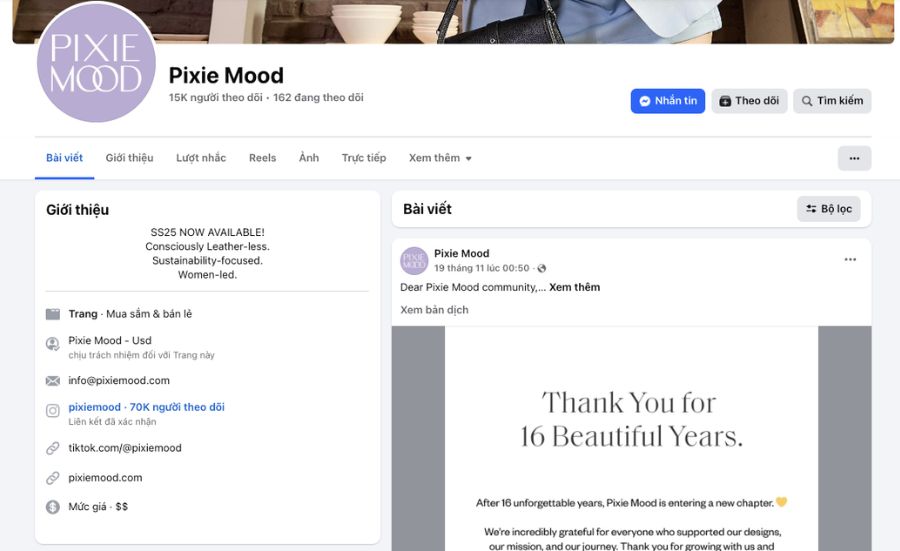
Pixie Mood uses its Facebook Shop to reinforce a polished, eco-friendly brand identity.
What they do well:
- Simple, neutral-toned backgrounds highlight the texture and structure of each bag.
- Collections organized by function (Crossbody Bags, Wallets, Backpacks) simplify navigation.
- Product pages include close-up detail shots, a must for accessories.
- Soft, tonal color palettes help the shop look cohesive and premium.
Pixie Mood’s understated style makes the shop feel like an extension of a curated boutique.
David Outwear – Sharp visuals that emphasize craftsmanship
David Outwear uses bold, dramatic photography to highlight the structure of jackets and outerwear. Key strengths:
- High-contrast images that showcase stitching, zippers, and material quality.
- Collections based on use case (Winter Wear, All-Season Jackets) help guide shoppers.
- Lifestyle shots of models outdoors create aspirational storytelling.
- Strong, masculine branding appeals directly to their core audience.
This brand shows how good photography can instantly elevate perceived quality.
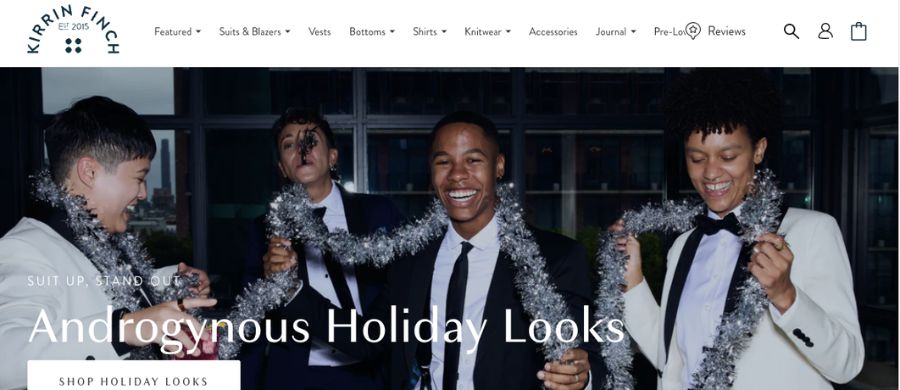
Kirrin Finch – Inclusive fashion framed with authenticity
Kirrin Finch’s Facebook Shop is built around values: inclusivity, comfort, and gender-neutral fashion. What stands out:
- Models of diverse body types help customers see themselves in the clothing.
- Clean, simple layouts with warm lighting create a welcoming feel.
- Collections like Button-Ups, Shorts, Suits help shoppers browse by occasion.
- Product descriptions highlight tailoring, fit, and ethical production.
Kirrin Finch uses authenticity as a visual strategy—and it resonates deeply with its audience.
Rothy’s – Premium storytelling through consistent, elegant visuals
Rothy’s treats its Facebook Shop like a premium fashion gallery. Why it works:
- Beautiful, soft-toned product shots emphasize texture and craftsmanship.
- Collections are organized by silhouette (Flats, Loafers, Bags), making browsing intuitive.
- Sustainability messaging is integrated subtly, reinforcing brand values.
- Lifestyle photos showcase comfort and versatility – key selling points for footwear.
Rothy’s shows how consistent aesthetics can transform simple pages into an elevated brand experience.

4. How Should You Promote Your Facebook Shop?
Promoting your Facebook Shop starts with understanding your audience and using the right tools. A clear strategy helps you reach the right people and improve engagement with your products.
4.1. Identify Your Audience
Identifying your ideal shoppers ensures your promotions are seen by the right people. Use Meta Business Suite Insights to gather essential information about your audience:
- Page likes (Facebook) and followers (Instagram)
- Age and gender
- Location, top cities, and countries
- Interests and online behavior
This data allows you to tailor your content and highlight products that match your audience’s preferences. Targeting the right customers increases engagement and encourages them to explore your store further, boosting sales and brand visibility.
4.2. Run Targeted Ads
Run ads focused on your audience’s preferences and behaviors. Facebook Ads allow customization by demographics, location, and interests, increasing reach and engagement. Targeted campaigns highlight your products effectively, attracting potential customers exploring examples of Facebook Shops online.
Additionally, analyzing what the ad Library on Facebook is is an essential step to refining your creative strategy by observing what works for your competitors.
4.3. Engage with Customers
Building strong connections with your audience goes beyond posting products. Effective engagement encourages repeat visits and strengthens brand loyalty. Here’s how to enhance customer interaction for your online store:
- Be transparent and honest: Respond to feedback openly. Show your audience that you acknowledge mistakes and value their opinions.
- Show empathy and gratitude: Treat every question or concern with understanding and appreciation. Avoid criticism and focus on solutions.
- Maintain consistency: Interact regularly, not sporadically. Consistent responses foster trust and encourage customers to explore your offerings further.

5. Best Practices & Tips for Your Own Facebook Shop
Studying successful examples of Facebook Shops can guide you in building a more effective online store. Following proven strategies will help improve user experience, increase engagement, and boost sales.
5.1. Optimize visuals and navigation
Your shop’s design is critical for keeping visitors engaged. Use high-quality images that clearly show your products. Organize items so users can easily browse through categories. A clean layout and intuitive navigation reduce friction, allowing shoppers to find what they want quickly. Highlight featured products to guide attention and encourage purchases.
5.2. Use tagging, collections, live video
Maximize product visibility and interaction with simple, actionable tactics. Tag items in your posts so users can see price and details without leaving the platform. Group related products into collections to simplify browsing and enhance the shopping experience. Furthermore, utilizing carousel Ads on Facebook to showcase multiple items or consider using live videos to demonstrate products, answer questions in real time, and offer exclusive promotions. These techniques encourage shoppers to explore more and make confident buying decisions.
5.3. Leverage User-Generated Content
Authenticity builds trust. Encourage your customers to share photos, reviews, or videos featuring your products. Displaying user-created content in your shop or social posts can validate quality and reliability. Sharing this type of content not only strengthens your community but also motivates potential buyers to engage with your store.
Implementing these strategies from top examples of Facebook Shops ensures your store is visually appealing, easy to navigate, and engaging for customers, creating a seamless shopping experience that drives sales.
6. FAQs
What common mistakes should I avoid based on Facebook Shops examples?
Many new shops fail by overcrowding images, ignoring customer engagement, or lacking clear product descriptions. Learning from successful examples helps avoid these pitfalls.
Are there seasonal trends visible in Facebook Shops examples?
Definitely. Many shops showcase products around holidays, back-to-school, or seasonal sales. Studying these examples helps businesses plan timely campaigns and align their inventory with user interest.
What types of products perform best in Facebook Shops?
Items that are visually appealing, easy to display, and in high demand tend to perform best. Accessories, fashion, home decor, and small gadgets often attract attention because users can quickly understand their value from images or short videos.
Exploring these examples of Facebook Shops shows that success goes beyond simply listing products, it’s about creating engaging experiences, building trust, and connecting meaningfully with your audience. By applying these proven strategies, you can elevate your own Facebook Shop, drive more traffic, and increase sales. Don’t wait, start implementing these tactics today and turn your Facebook Shop into a powerful sales engine your customers will love.